You got your F-1 visa sports scholarship USA confirmed. You found the university. Now comes the step that many international athletes underestimate: the immigration process. Without the F-1 Visa, everything else means nothing.
The good news is that if you already have a confirmed sports scholarship in the USA, you're in a very favorable position to get it. The bad news is that common mistakes can cost you time, money, and even the opportunity itself. This guide is designed so you don't make any of them.
Not on scholarship yet? Before reading this, we recommend checking our guide on how to get a sports scholarship in the United States.
What Is the F-1 Visa and Why Do You Need It with Your Sports Scholarship in the USA?
The F-1 Visa is the student visa issued by the United States government for people who want to study full-time at an accredited educational institution. Even if you have a full sports scholarship, your legal status in the USA is that of a student-athlete—not a professional athlete.
This means:
- Your legal priority in the USA is being a student, not an athlete.
- You must maintain a minimum number of academic credits per semester.
- Your university (specifically your DSO, Designated School Official) is responsible for your immigration status.
- The sports scholarship is linked to this visa, but does not replace it.
The visa applies whether you'll be studying at an NCAA or NAIA university. If you're still not sure which is better for your profile, read our comparison of NCAA vs NAIA: differences and how to choose correctly.
Requirements to Apply for the F-1 Visa Sports Scholarship USA
To start the process you need to meet the following basic requirements. Some are managed by the university, others depend directly on you.
1. Official Admission and Confirmed Scholarship
Before applying for the visa, you must be formally admitted to the university and have your signed scholarship letter (National Letter of Intent or equivalent). Without this, you cannot move to the next step.
2. Form I-20
The I-20 is the official document issued by your university to certify that you are a full-time student. It's essential: without it, you cannot pay the SEVIS fee or request an appointment at the embassy. Your DSO generates it once you are admitted and have met the enrollment requirements.
3. SEVIS Payment (Form I-901)
SEVIS (Student and Exchange Visitor Information System) is the U.S. government database that tracks all international students. You must pay a $350 USD fee at fmjfee.com (official DHS site) before your interview. Keep the receipt because they will ask for it at the consulate.
4. Form DS-160
This is the official online visa application. It's completed at ceac.state.gov and you must print the confirmation page to bring to your interview. Take your time filling it out: errors or inconsistencies can cause delays or even a denial.
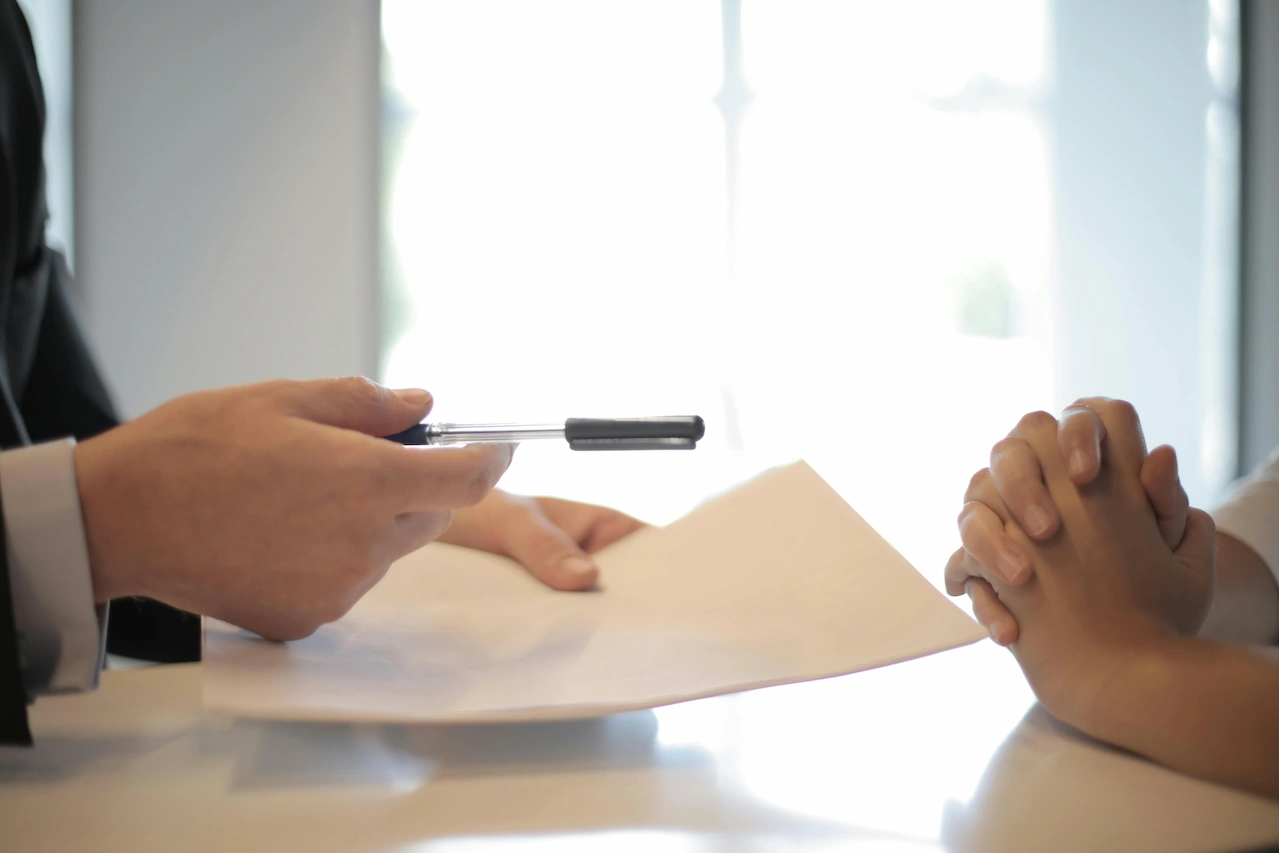
Documents You Must Bring to the Interview
The list varies slightly by country, but these are the essential documents every international athlete must present:
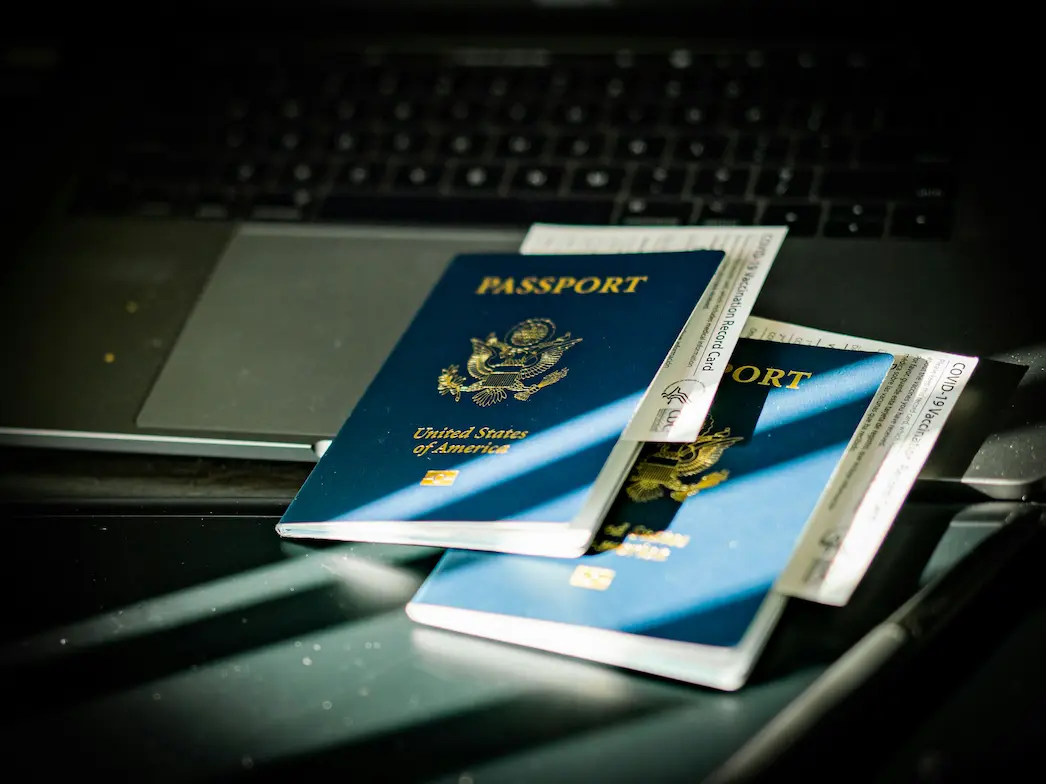
- Valid passport (with at least 6 months of validity beyond your planned stay)
- Completed DS-160 (printed confirmation page)
- SEVIS payment receipt (I-901)
- Form I-20 signed by your DSO and by you
- University admission letter
- Official sports scholarship letter (Award Letter)
- Evidence of ties to your home country (family, property, etc.)
- Proof of financial solvency (yours or your parents'/guardians')
- Visa-size photo (per consulate specifications)
Tip: Also bring documents that certify your athletic career (club certificates, statistics, press mentions). It's not mandatory, but it strengthens your profile with the consular officer.
Do you know exactly what type of scholarship you have? There are important differences between partial, full, and equivalency scholarships. Check our guide on types of sports scholarships for international athletes in the United States.
The Consular Interview: What to Expect as an Athlete on Scholarship
The consulate interview usually lasts between 3 and 10 minutes. The consular officer mainly wants to verify three things:
- That you have a legitimate intention to study (not to emigrate).
- That you have sufficient resources to cover your stay (the sports scholarship largely covers this).
- That you have ties to your home country that guarantee your return.
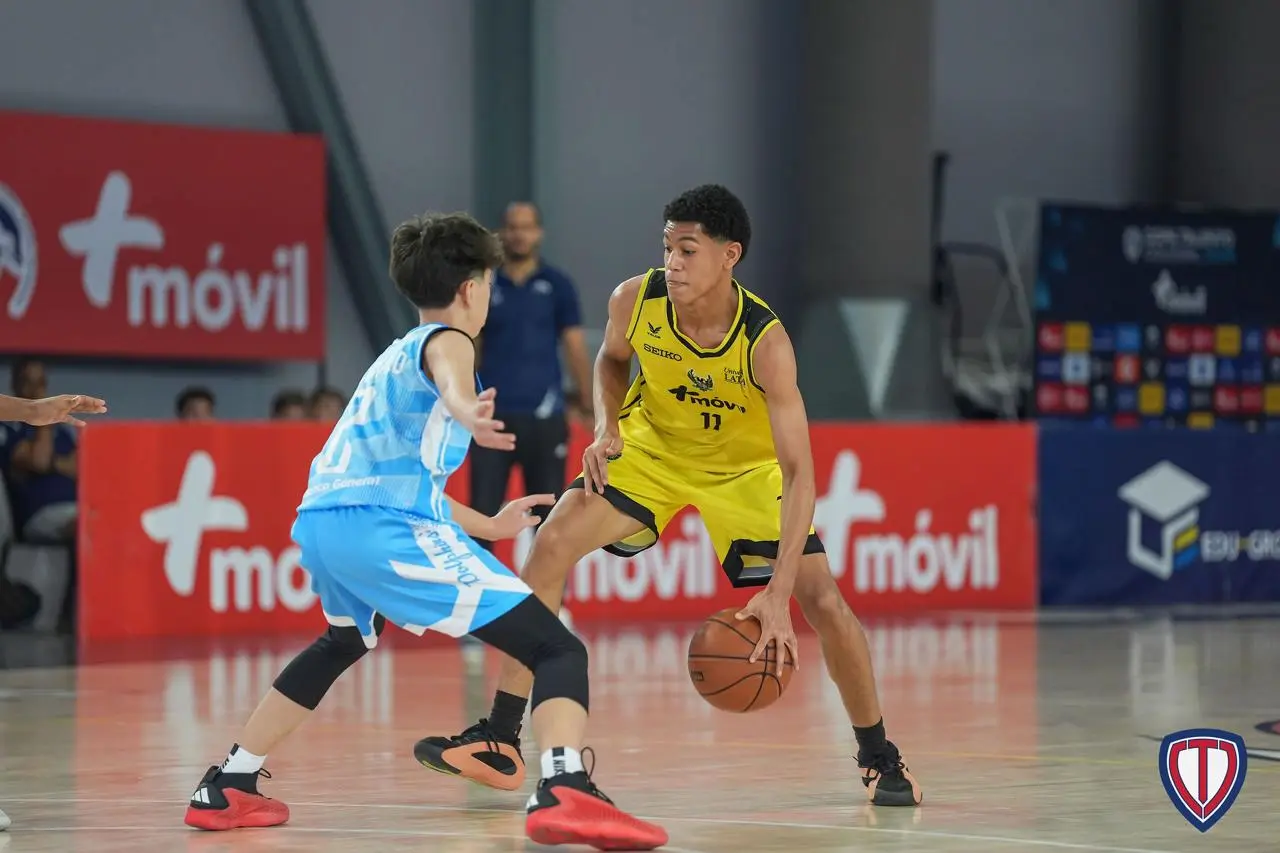
Common questions in the F-1 visa interview for athletes:
- "Why this university?" — Prepare an answer that combines academics and sports.
- "What are you going to study?" — You need to know your major exactly.
- "Who covers your expenses?" — Clearly explain the value and coverage of the scholarship.
- "What will you do when you finish?" — Emphasize that you plan to return to your country.
Timelines and Costs of the F-1 Visa Process with a Sports Scholarship
The wait time for a consular appointment varies greatly by country and time of year. In Latin American countries it can range from 2 weeks to several months during peak demand periods (especially between May and August).
Approximate costs of the process:
- F-1 visa fee (MRV Fee): $185 USD
- SEVIS payment (I-901): $350 USD
- Approximate total: $535 USD (not including travel or additional documentation)
Recommendation: Request your appointment at least 3–4 months before your start date. Don't wait until all your documents are perfect to book the appointment—you can gather them while you wait.
This is one of the most common mistakes we see in athletes. If you want to avoid the rest, read: 7 common mistakes when applying for sports scholarships in the United States.
How to Maintain Your F-1 Status as an Athlete with a Sports Scholarship in the USA
Having the visa is just the beginning. Keeping it active while in the USA depends on meeting several conditions simultaneously:
- Enroll full-time every semester (generally a minimum of 12 credits for undergrad).
- Don't change universities without notifying and transferring your SEVIS.
- Renew your I-20 if you change programs, delay graduation, or need Practical Training (OPT/CPT).
- Do not work off-campus without specific authorization.
- Report any changes of address or program to your DSO.
What Happens If I Lose My Sports Scholarship and My F-1 Visa?
This is the question that generates the most fear and that few people answer clearly. The honest answer: losing your scholarship does not automatically mean losing your F-1 visa, but it does complicate things.
If you lose your scholarship due to injury, poor academic performance, or program cuts, you have several options:
- Demonstrate that you can finance your studies by other means (family savings, academic scholarship, etc.).
- Transfer to another university that offers you a scholarship.
- Reduce your academic load (requires special authorization from your DSO).
- In extreme cases, return to your home country and rethink your strategy.
Most importantly: if you lose your scholarship, report it immediately to your DSO. Don't wait. Every day that passes without reporting it can further complicate your immigration situation.
Frequently Asked Questions about the F-1 Visa and Sports Scholarships in the USA
Can I work in the USA with an F-1 Visa and a sports scholarship?
Yes, but with restrictions. You can work on campus up to 20 hours per week during the semester and full-time during vacations. To work off-campus you need specific authorization (CPT or OPT), which is generally requested after one year of studies.
Do I need to renew my F-1 Visa if I return to my home country in the summer?
It depends on how long ago your visa was issued. The F-1 visa has an expiration date, but your status (D/S - Duration of Status) is valid while you study. If your visa has already expired when you want to return, you need to renew it from your country before coming back.
What happens to my F-1 Visa if I get injured and can't play?
An injury does not directly affect your visa if you remain enrolled full-time. Most NCAA sports scholarships protect the injured athlete during the recovery period. Check your university's specific regulations and communicate the situation to your coach and DSO.
How long does it take for the F-1 Visa to be approved for athletes?
The time varies by country and consulate workload. On average, the appointment is obtained between 2 weeks and 4 months after requesting it. Approval can be immediate at the interview or take a few days if additional processing is required.
Ready to Take the Next Step Toward Your Sports Scholarship in the USA?
The F-1 Visa is the bridge between your sports scholarship and your new life in the United States. The process has its complexities, but with the right preparation and guidance, the vast majority of athletes get it without problems.
At New Vision Sports we accompany our athletes at every stage of the process, from finding the scholarship to guiding you through the visa process. If you have questions about your specific case or want to know how we start the journey, contact us.
Interested in soccer specifically? Read our complete guide on how to get a soccer scholarship in the USA and take the first step.
At New Vision Sports, we simplify the process so you can focus on your sport—we take care of the rest.