Getting a soccer scholarship in the United States is possible, but it requires strategy, preparation, and the right guidance. Every year, thousands of international players dream of combining academics and competitive soccer at American universities. Only those who understand the process stand out.
If you want to earn a soccer scholarship in the USA, this guide will walk you through every step.
Why Play College Soccer in the USA?
The U.S. college system offers something unique: the opportunity to study for a degree while competing at a high level.
Benefits include:
- Access to world class training facilities
- Competitive leagues like NCAA, NAIA, and NJCAA
- Exposure to professional scouts
- Academic degrees recognized worldwide
- Partial or full athletic scholarships
For many international athletes, this path opens doors both on and off the field.
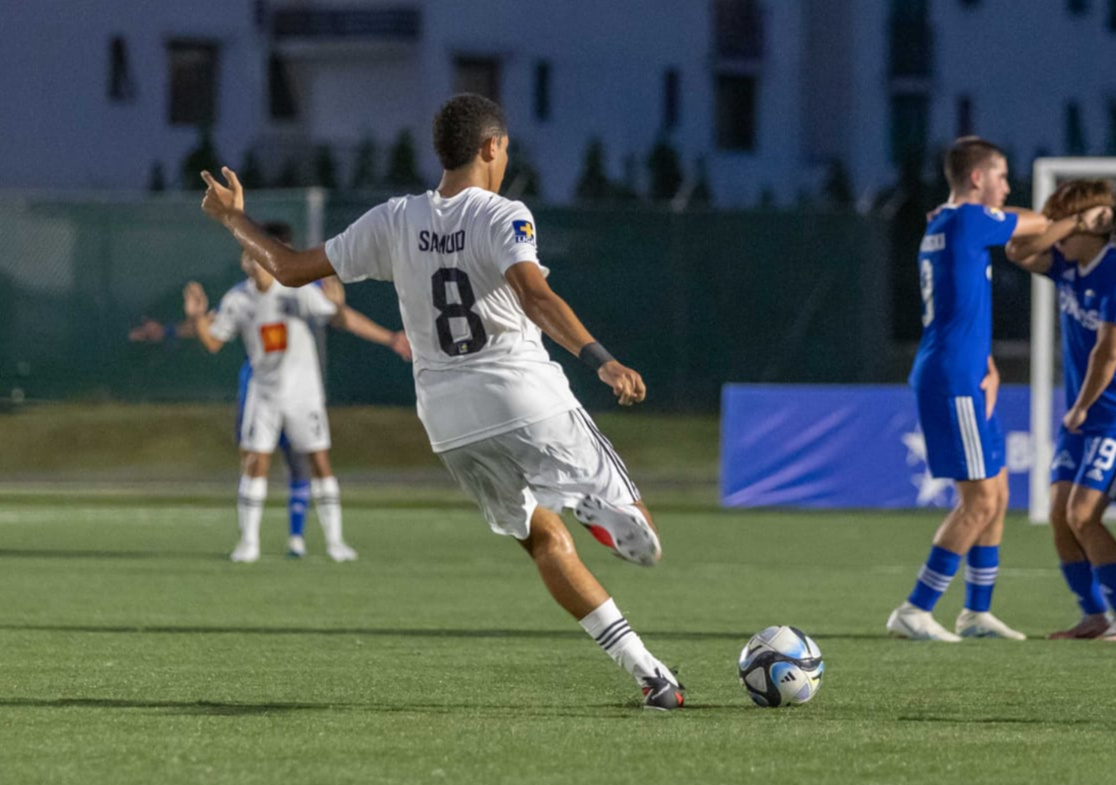
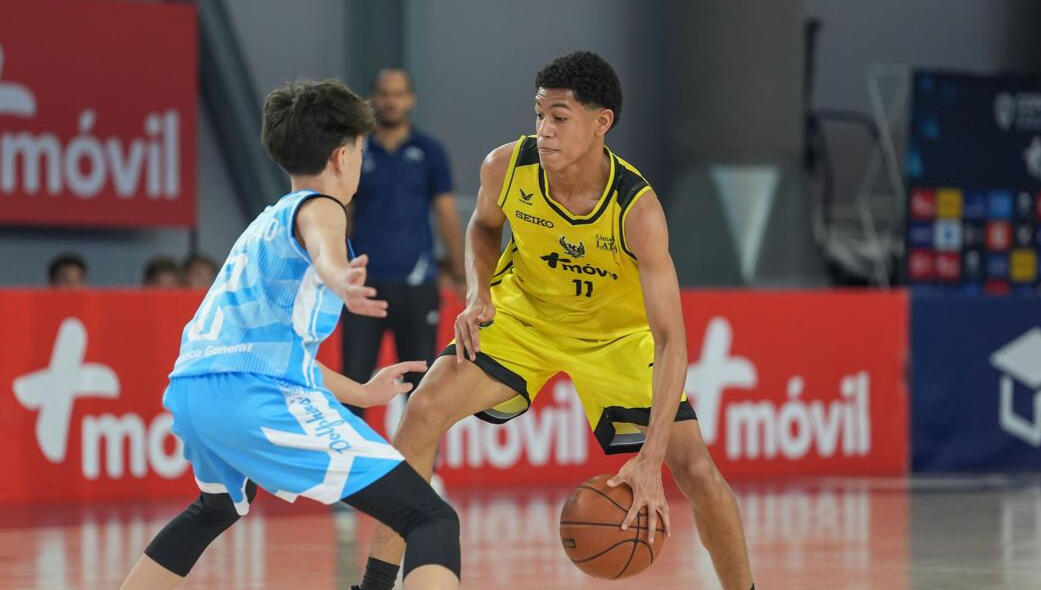
Augusto Samudio — Soccer athlete placed with New Vision Sports.
Step 1: Understand the College Soccer System
Before starting, you need to understand the structure. For a detailed comparison of associations, read our guide NCAA vs NAIA: which path is right for you.
NCAA (National Collegiate Athletic Association)
The NCAA is the largest and most competitive college sports organization in the U.S. It has three divisions:
- Division I: Highest competition level with strong exposure and athletic scholarships.
- Division II: Competitive level with athletic scholarships and a strong balance between academics and athletics.
- Division III: No athletic scholarships, but strong academic focus and financial aid opportunities.
NCAA programs often have stricter academic and eligibility requirements for international players.
NAIA (National Association of Intercollegiate Athletics)
The NAIA is smaller but offers excellent opportunities and athletic scholarships. It can be more flexible for international players in terms of admissions and eligibility requirements.
Many NAIA programs compete at a very high level and provide strong development opportunities.
NJCAA (National Junior College Athletic Association)
The NJCAA governs junior colleges, also known as community colleges.
This pathway can be a strategic option for international players who need time to develop academically, improve English proficiency, or gain more exposure.
NJCAA programs typically offer:
- Two year academic programs
- Athletic scholarships
- Lower tuition costs
- Opportunities to transfer to NCAA or NAIA schools later
For many players, junior college soccer becomes a bridge to higher divisions.
Understanding which division fits your level, academic profile, and long term goals is key to getting recruited.
Step 2: Build a Strong Soccer Profile
College coaches recruit based on performance and potential. You need:
1. Highlight Video
A 3 to 5 minute video showing:
- First touch
- Game intelligence
- Passing accuracy
- Defensive actions
- Goals or assists
Keep it simple. No music. No effects. Just real game footage.
2. Player Resume
Include:
- Full name
- Position
- Height and weight
- Graduation year
- GPA
- Club history
- Achievements
3. Academic Records
Good grades increase scholarship chances. Coaches want players who can stay eligible.
Step 3: Meet Academic and Eligibility Requirements
International players must meet academic standards and sometimes:
- Take TOEFL or Duolingo English Test
- Submit official transcripts
- Register with eligibility centers
For NCAA schools, you may need to register with the NCAA Eligibility Center.
For NAIA schools, you register through the NAIA eligibility process.
For NJCAA schools, eligibility requirements may vary, but academic transcripts and English proficiency are often required.
Missing deadlines can cost you a season.
Step 4: Contact College Coaches
Coaches rarely discover players randomly. You need to reach out.
Best practices:
- Send personalized emails
- Include your highlight video link
- Attach your soccer CV
- Mention why you are interested in their program
Follow up respectfully. Persistence matters.
Step 5: Attend Showcases and ID Camps
Exposure events significantly increase your chances. Attending a showcase allows you to play in front of multiple coaches and get evaluated directly.
College showcases allow you to:
- Play in front of multiple coaches
- Get evaluated directly
- Receive feedback
- Start recruitment conversations
This is where many international players accelerate the process.
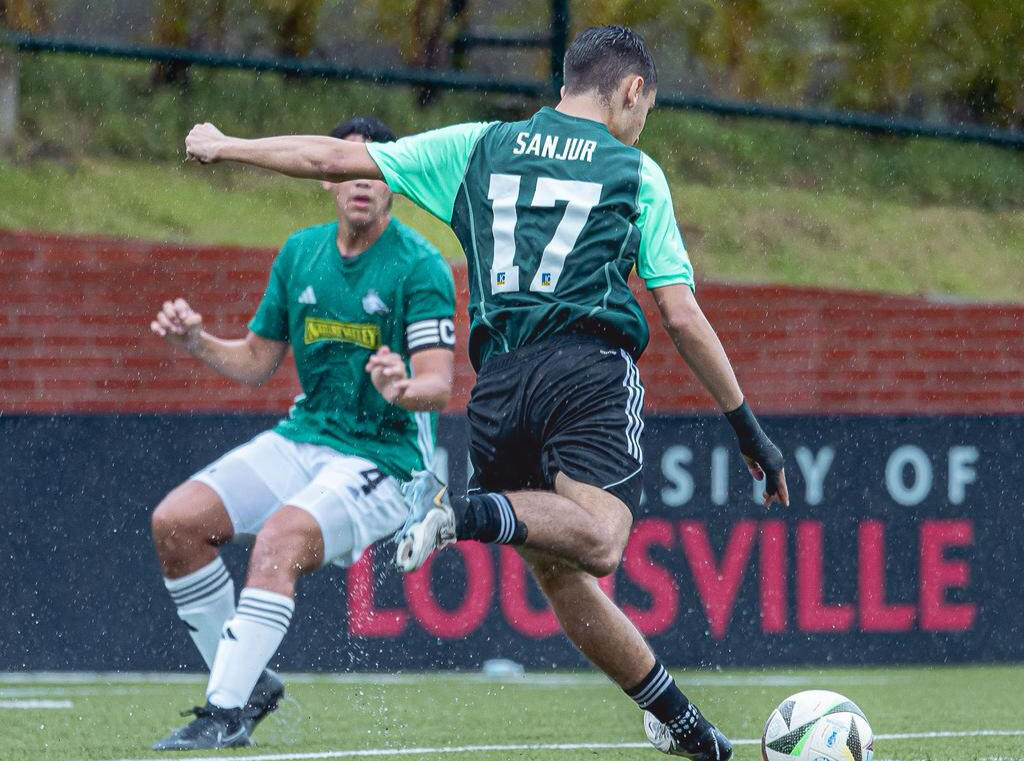
Sebastian Sanjur — Full scholarship, college soccer in the USA.
Step 6: Understand Scholarship Types
Not every scholarship is full.
There are:
- Full scholarships
- Partial scholarships
- Academic scholarships
- Combination packages
Most soccer scholarships are partial, especially in NCAA Division I. Understanding financial planning is essential.
Common Mistakes International Players Make
- Waiting too long to start the process
- Sending generic emails to coaches
- Poor quality highlight videos
- Ignoring academics
- Not understanding eligibility rules
The recruiting process can take 12 to 24 months. Planning early gives you an advantage.
When Should You Start the Process?
Ideally:
- 9th or 10th grade: Start preparing
- 11th grade: Begin contacting coaches
- 12th grade: Finalize offers
If you are already close to graduation, you can still explore opportunities, especially in NAIA or NJCAA programs.
How New Vision Sports Helps You
At New Vision Sports, we guide international athletes step by step:
- Profile development
- Video strategy
- Direct coach communication
- Showcase opportunities
- University matching
- Eligibility management
- Scholarship negotiation support
We evaluate your level honestly, identify the right division for you, and manage every part of the recruiting process so you can focus on improving your game.
Our goal is simple: place you in the right program, not just any program, and help you achieve your dream of playing college soccer in the United States.
Contact us today for a free evaluation and start your path to college soccer in the USA.
Frequently Asked Questions
How hard is it to get a soccer scholarship in the USA?
It is competitive, but realistic if you prepare early, have a strong highlight video, solid academics, and contact the right programs.
Can international students get full soccer scholarships?
Yes, but full scholarships are limited. Most players receive partial scholarships combined with academic aid.
What is the best division for international players?
There is no single best division. NCAA, NAIA, and NJCAA all offer opportunities depending on your level and academic profile.
When should I start the recruiting process?
Ideally in 9th or 10th grade. The process can take 12 to 24 months.
Final Thoughts
Getting a soccer scholarship in the USA is not about luck. It is about preparation, visibility, and strategy.
If you are serious about playing college soccer in America, start early, stay organized, and work with professionals who understand the system.
Your opportunity is real. The key is doing the process correctly.